
Nov 2, 2026
How to Apply a Pocket Sun Stick for Daily Sun Protection
Applying a pocket sun stick correctly makes a real difference in how well your skin is protected. Start with clean, moisturized skin, then twist the base of a sensitive pocket sun stick SPF50+ PA++++ to dispense just enough product. Swipe it evenly across your face, neck, ears, and any exposed areas. Pat lightly with clean fingertips to blend. Reapply every one to two hours when outdoors, sweating, or near water. This compact mineral sunscreen format blocks over 98% of UVB rays and provides PPD 16+ UVA defense — ideal for reactive skin types that need reliable daily coverage without irritation.
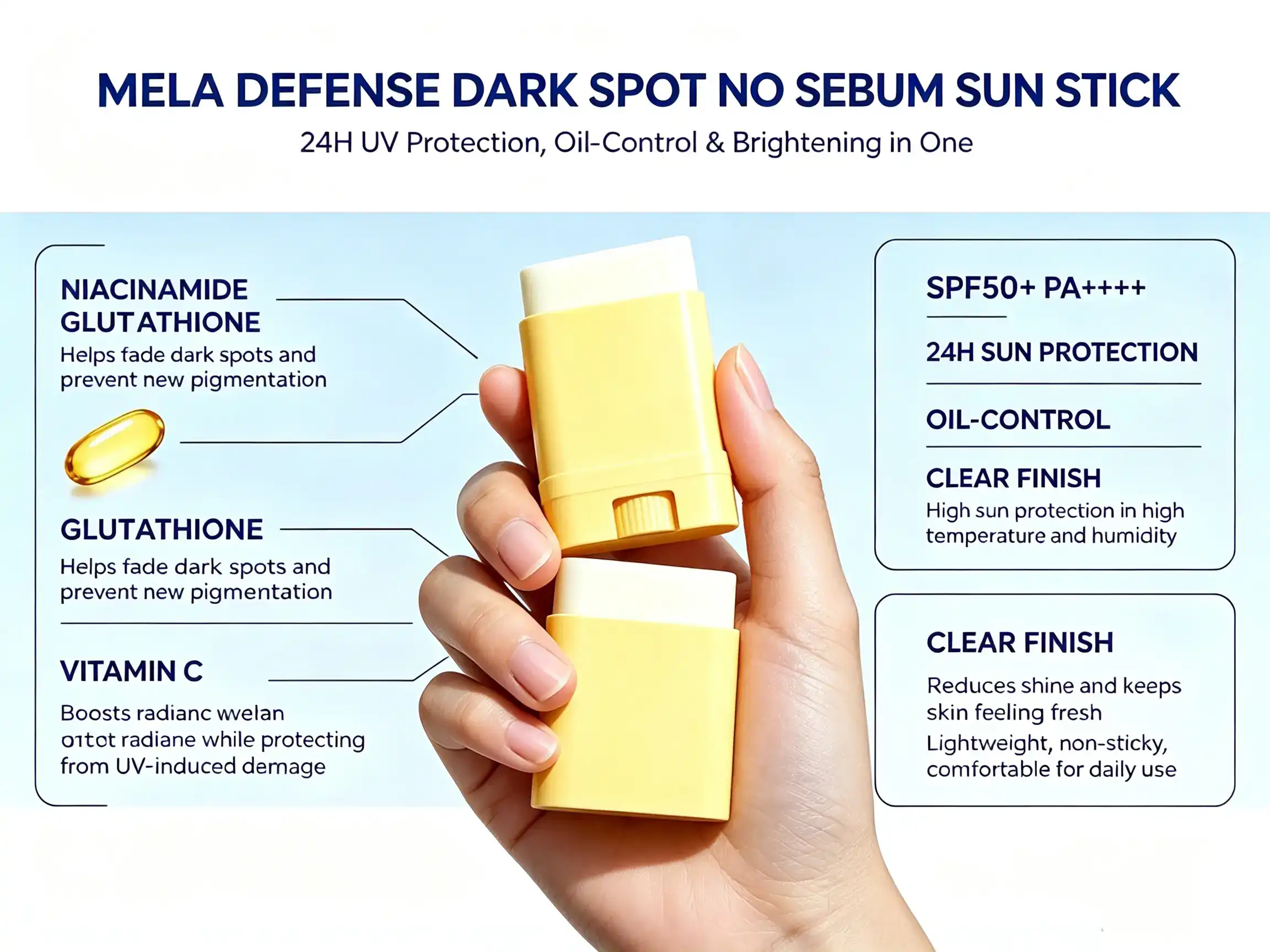
Understanding Sensitive Pocket Sun Sticks SPF50+ PA++++
There are different kinds of sunscreens for different types of skin. A lot of everyday creams have chemicals in them that hurt, sting, or make skin that is already sensitive hot, itchy, or break out. This can be fixed from the bottom up with a sun stick made of minerals.
What Makes It Different From Regular Sunscreen
UV rays can't get through because of chemicals called zinc oxide and titanium dioxide. They don't soak up light; instead, they bounce it off the skin. This is what a small sun stick does. Reef-conscious sun care seekers may choose mineral sunscreens sans oxybenzone or octinoxate. Zinc oxide and titanium dioxide may be UV filters for sensitive skin, depending on formulation and skin tolerance. The dry mix (without water) doesn't have any strong preservatives, so germs can't grow in it.
Key Ingredients That Support Sensitive Skin
VS LIGE Sensitive Pocket Sun Stick SPF50+ PA++++ includes 8 hyaluronic acid kinds, Centella Asiatica Extract, Aloe Vera Leaf Extract, Synthetic Beeswax, and Caprylic/Capric Triglycerides. Hyaluronic acid attracts and retains moisture, while Centella Asiatica Extract and Aloe Vera Leaf Extract soothe skin. Synthetic Beeswax provides structure and application, while Caprylic/Capric Triglycerides provide smoothness. These chemicals moisturise skin and make outdoor use pleasant.
Why the Stick Format Matters
The stick applicator makes reapplication easier and reduces facial contact by applying the lotion straight without spreading it with fingers. You can put it in your pocket or bag because it's very small and light (10g). There is no shine or oiliness to it, and it blends well with makeup. It also doesn't pill, which is great for professionals who need to put sunscreen on several times a day.
How to Properly Apply a Sensitive Pocket Sun Stick SPF50+ PA++++ for Optimal Protection
It is just as important to choose the right product as it is to use it correctly. No matter how active you are, anyone can use this simple trick.
Step-by-Step Application Guide
First, wash your face and put some moisturizer on it. Slowly twist the base to make a little product stick out. If you push out too far, the stick might break. You should rub the stick on your ears, lips, nose, chin, and brow. Don’t forget to check out your mouth and the tops of your ears. You don't need any other tools because the applicator is already curved to fit your face.
Blending and Coverage Tips
Before you rub the stuff into your skin, make sure your fingers are clean. This step helps make sure that the spread is even and doesn't pull or press on sensitive pocket sun stick SPF50+ PA++++. It has a light texture that soaks in quickly and feels like silk right away. To set your base, all you need is a light pat. That way, you won't have to move it if you need to touch up your makeup during the day.
When and How Often to Reapply
Every hour to two hours while you're outside swimming, working out, or doing other things, put it back on. In the long run, even natural sunscreens won't work if you sweat and rub against things. It's a good idea to put it back on every two to three hours if you work inside, near windows, or with bright or LED lights on. The formula stays stable at temperatures up to 45–50°C, according to tests. Keep the stick away from heat sources and in a cool, dry place to keep its shape.
Comparing Sensitive Pocket Sun Stick SPF50+ PA++++ With Other Sunscreen Formats
The different types of sunscreen don't just matter what you like; they also change how well they work, how much coverage they give, and how easy they are to use in real life.
Creams and lotions that are liquid work well to cover up, but they are messy to use and hard to wash off afterward. Sprays can be helpful, but they're hard to keep even, and it can be dangerous to breathe them in small spaces. You can fix both of these right away with a stick format.
The stick style is different when used every day at work in these ways:
- Portability: Stick is only 10 grams, so it fits in a shirt pocket and doesn't count toward the 100ml liquid limit for carry-on bags. The caps won't fall off or leak.
- Hygiene: The formula doesn't get dirty because the zero-touch app doesn't touch anything. This is important in places like hospitals, food service, and work outside.
- Makeup compatibility: It works with makeup. Because it dries quickly and matte, you can wear it on top of or under foundation without taking away the coverage. When put on top of base or powder, creams and lotions often make the makeup pill.
- Eco-alignment: sensitive pocket sun stick SPF50+ PA++++ sunscreens made from minerals that don't have oxybenzone or octinoxate in them are safe for reefs, which is becoming more and more important in eco-friendly beauty shops and shopping habits.
People choose pocket sun sticks more often because of these useful features. This is more important than having lists of SPF numbers.
Choosing and Procuring the Right Sensitive Pocket Sun Stick SPF50+ PA++++ for Your Business
When brands and buying teams look at sun protection SKUs, they think about a few things.
Certifications and Compliance Standards
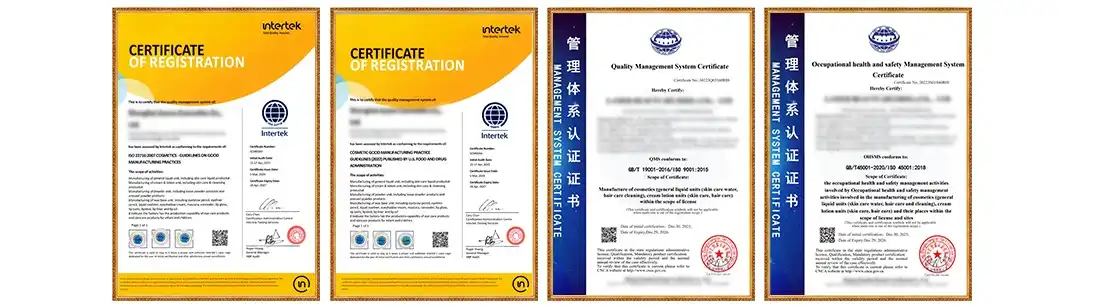
Make sure that your supplier has the GMP and ISO 22716 on file. There are signs like these that show the cosmetics are made according to Good Manufacturing Practices and quality standards around the world. To back up what the SPF50+ and PA++++ labels say, SPF (ISO 24444) and PA (ISO 24442) should be tested on living things. For the US market, products with an SPF of 15 or more must follow the FDA OTC monograph. If you live in an EU country, check that the UV screen follows the rules set by the EU Cosmetics Regulation.
OEM/ODM Customization Options
VS LIGE can make any changes to the goods when an OEM or ODM order comes in. This includes making versions without smells, changing the recipe, private-labeling the package, and adding your own ingredients. Your order of at least 12,000 pieces will be ready in 15 to 30 days. More than 100,000 pieces of skin care items can be made every day. That's enough for both test runs and big orders that come back. You can try a little of something before you buy a lot of it.
Logistics and Supply Chain Reliability
VS LIGE works with all transportation systems, which makes it simple to plan purchases that go across countries. Its supply chain team has worked with OEM/ODM for more than 15 years and knows how to organize the paperwork for FDA, EU, NMPA, and BPOM (Indonesia) reports. Your buying team will be better able to follow company rules because of this.

Real-World Applications and Case Studies for Business Use
Outdoor Sport and Athletic Brands
Sunscreen that doesn't sting your eyes or hurt your eyes when you sweat is important for people who do endurance sports, ride bikes, or run on fields. Athletes who require portable sun protection may use a stick-format sunscreen that feels good during exercise and doesn't run when they sweat. A lot of clean beauty and outdoor brands want to make an SPF stick that is safe for reefs. It's time for VS LIGE to make SPF claims that are backed up by ISO 24444 and ingredients that are safe for the ocean.
Medical Aesthetics and Post-Procedure Care
Laser and chemical peels may make skin more sensitive. Sunscreen usage during recuperation should be based on the medical professional's advise and skin condition. Mineral sunscreens may be useful for delicate skin, although stick formulas are not recommended for recently treated or recovering skin.
Urban and Corporate Wellness Programs
City streets and glass buildings give off UV rays all the time, hitting people who walk around. Most people don't think about this as a cause of photoaging. If you give people a small stick of sunscreen, they are more likely to use it every day. Being small and having a matte finish makes it easy to carry and use. It will work better for UV exposure in real life.
Conclusion
Most of the things that make it hard to put on sunscreen every day are taken care of by a small, sensitive pocket sun stick SPF50+ PA++++. It really does protect you from the sun if you use it the right way, with a clean base, even swipes, mixing with your thumb, and regular reapplication. The stick shape makes sun protection easy to integrate into everyday skincare. Brands producing mineral SPF products must consider formulation stability, application performance, safety, and regulatory requirements. These factors assist procurement teams assess the product's suitability for their market and distribution channels. Dermatologists like VS LIGE's product because it is a good choice that can be used for many things, from sports outside to normal life in cities. There is a way to make it that is compliant with both GMP and ISO 22716.
FAQ
1. Does this sun stick leave a white cast?
Before, mineral sunscreens left behind more of a film than this one does now that the formula is better. Caprylic/Capric Triglycerides and synthetic beeswax help the zinc oxide or titanium dioxide blend better into the skin, leaving behind a matte finish instead of a chalky layer. You can get rid of any extra residue even better if you blend with your fingertip after applying.
2. Is it safe for children and post-procedure skin?
Yes. It's gentle enough for thin, sensitive, or wound skin because it's made from minerals and doesn't have any smells or alcohol in it. Also, since the applicator doesn't touch the skin, it doesn't hurt skin that is already soothed or healed. To ensure the formulation is suitable for children's skin, companies should examine safety evaluations and age-specific use advice before selling the product.
3. Can this product be customized for my brand?
VS LIGE can do both OEM and ODM work. The name, the smell, the mix, and the way the package looks can all be changed. It is possible to order as little as 12,000 units. You can ask for samples before the real thing is made.
4. How does water resistance hold up?
ISO 18861 water-resistance testing may support the product's claims. The criteria does not prove the product is effective after every water or heat exposure. Brands should quote test findings and authorised product labelling when describing water-resistance. Still, you should put it back on every hour to two hours after swimming or working out hard.
5. What certifications support the SPF50+ claim?
The formulation should undergo ISO 24444 SPF testing to support the SPF50+ claim. Where relevant, ISO 24442 UVA protection testing should support the PA++++ claim. GMP and ISO 22716 regulate cosmetic quality and manufacture, not SPF or UVA protection claims.
Request a Sample From VS LIGE — Sensitive Pocket Sun Stick SPF50+ PA++++ Supplier
You can make sensitive pocket sun stick SPF50+ PA++++ pocket sun sticks for outdoor brands, clean beauty brands, and stores all over the world. That's what VS LIGE does best. With our help, you can get the formula approved and send out the last batch of your product line. We are authorized by both GMP and ISO 22716 to make products, and we can do both OEM and ODM work. If you email our team at annyl@vslige.com right now, you can get samples, safety papers, or a price quote for buying in bulk.

References
1. Diffey, B. L. Sunscreens: What are they and do they work? — British Journal of Dermatology, 2009.
2. Gabard, B., & Meier, B. Physical sunscreens: Formulation and performance — International Journal of Cosmetic Science, 2000.
3. International Organization for Standardization. ISO 24444: Cosmetics — Sun protection test methods — In vivo determination of the sun protection factor (SPF) — ISO, 2019.
4. Lautenschlager, S., Wulf, H. C., & Pittelkow, M. R. Photoprotection — The Lancet, 2007.
5. Matta, M. K., et al. Effect of sunscreen application on plasma concentration of sunscreen active ingredients — JAMA, 2019.
6. Serpone, N., Dondi, D., & Albini, A. Inorganic and organic UV filters: Their role and efficacy in sunscreens and cosmetics — Inorganica Chimica Acta, 2007.
Online Message
YOU MAY LIKE
High quality furniture manufacturer
RELATED BLOGS
- Beyond Hydration: Why Moisturizing Lipstick is Your Secret Weapon After 40
- Sun Stick vs. Sunscreen Lotion: Which Is More Convenient for Daily Use?
- Is SPF50+ PA++++ Sun Stick Suitable for Sensitive Skin?
- What Makes Highlight Glitter Lip Gloss Stand Out?
- 2-in-1 Brow Powder Pencil: Features, Benefits, and Uses
- Moisturizing Repair Lip Balm for Dry, Cracked Lips: A Complete Guide
- How Does Crystal Thermo-Changing Jelly Lip Balm Change Color?
- What Is an Ultra-thin Tip Waterproof Liquid Eyeliner Pen? A Complete Guide
- Ultra-thin Tip Waterproof Liquid Eyeliner Pen: Features, Benefits, and Uses
- How to Apply Neon Shimmer Mermaid Lipstick: A Complete B2B Guide