
Nov 4, 2026
How to Choose a Sensitive Skin Sun Stick
Choosing the right sun stick for sensitive skin starts with understanding what your formulation must deliver. A quality sensitive pocket sun stick SPF50+ PA++++ should block over 98% of UVB rays, offer a PPD value of 16+ against UVA radiation, and carry a skin-safe ingredient profile free from alcohol, parabens, and artificial fragrances. For B2B buyers sourcing OEM-ready sunscreen products, the bar is even higher — your supplier's manufacturing certifications, testing protocols, and customization flexibility directly shape your brand's market credibility.
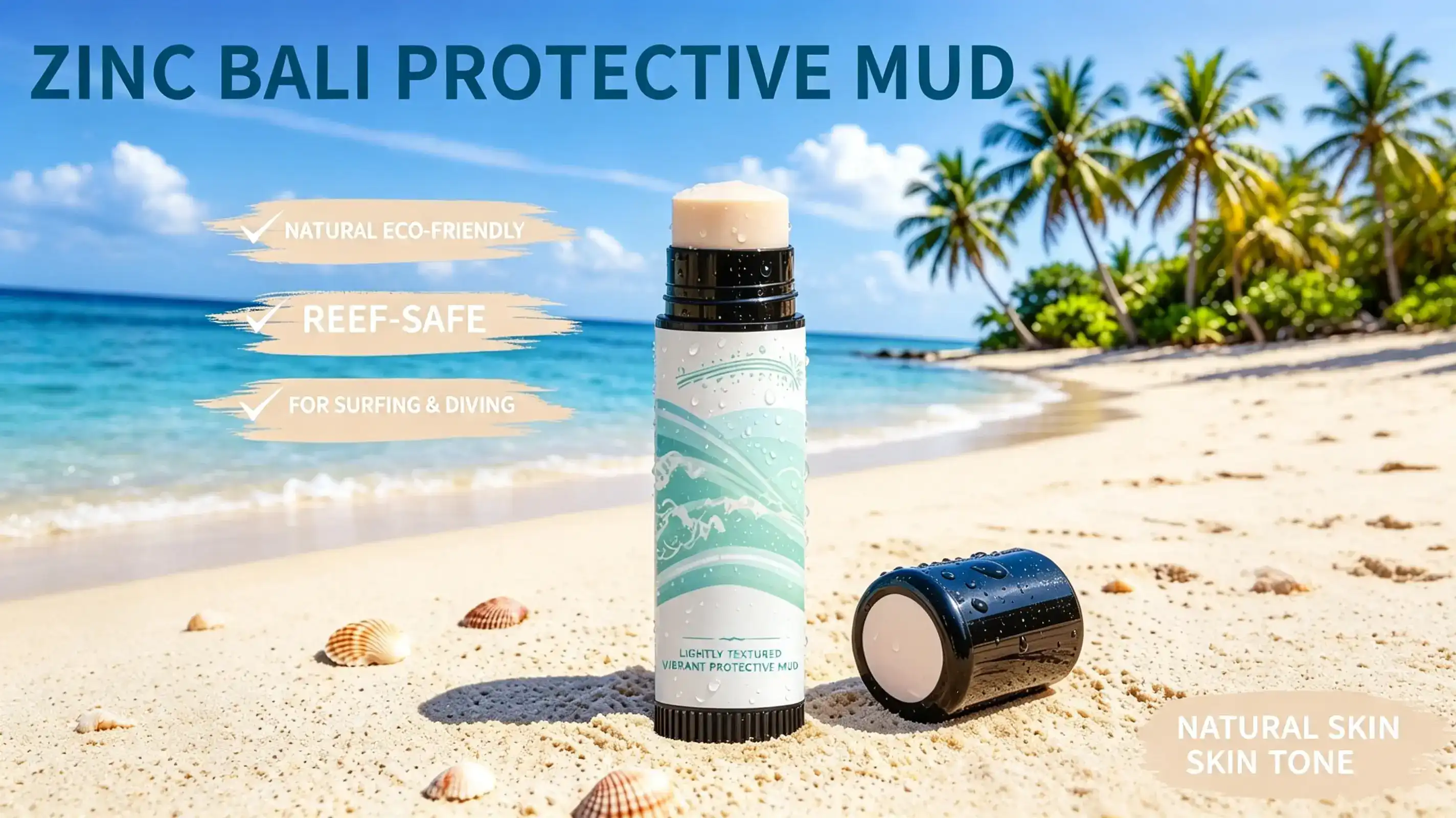
Understanding Sensitive Skin Sun Sticks and SPF50+ PA++++ Protection
Sunblock doesn't always work the same way. It's important for people with sensitive skin to know that sticks, sprays, and lotions all work in different ways.
What SPF50+ and PA++++ Actually Mean
What SPF50+ means is that the mixture blocks more than 98% of UVB rays. UVB rays are what burn and damage skin. The PA++++ rating means that the product blocks UVA rays very well, as long as the PPD value is 16 or higher. UVA goes deep into the dermis and speeds up the aging process and the change of skin color. The highest level in Japan's JCIA system is PA++++. This method is now used a lot in Asia and other places around the world.
Why the Stick Format Serves Sensitive Skin Better
A lot of liquid sunscreens contain water, emulsifiers, and preservatives, all of which can be irritating to skin that is already delicate. Bacteria can't grow on a solid, dry stick form because it doesn't have any moisture. The no-touch brush also keeps germs from moving from hands to face, which is a real health benefit for people with sensitive skin.
The Ingredient Baseline for Hypoallergenic Performance
Mineral sun sticks for sensitive skin should have ingredients that keep your skin moist, like 8x Hyaluronic Acid, and ingredients that calm your skin, like Centella Asiatica Extract and Aloe Vera Leaf Extract. Caprylic/Capric Triglycerides and Synthetic Beeswax make up the base. It is gentle on the skin and doesn't pull when you put it on. These ingredients back up the claim that they are hypoallergenic, and the HRIPT (Human Repeat Insult Patch Test) also backs this up.
Core Criteria to Consider When Choosing a Sensitive Skin Sun Stick SPF50+ PA++++
It's not enough to just look at the SPF number on the bottle to get the right one. People who want to buy something need to look at the whole system.
Formulation Compatibility Across Skin Types
If you have sensitive pocket sun stick SPF50+ PA++++, the best broad-spectrum sun stick shouldn't clog your pores. It should also work well on mixed, oily, and dry skin. If you have acne, you need a lipid profile that doesn't cause acne. For pediatric formulations, ingredients need to be tested even more thoroughly. Do a skin test to make sure the seller can back up what they say before you buy a lot.
Packaging, Portability, and Private Label Options
The packaging of a good that's ready to be sold must work for both the customer and the supply chain. A 10g stick is small enough to carry in a pocket or gym bag, so people can reapply while they're out and about. It's easier to ship and keeps the shelves clean for business-to-business buyers with sticks. Look at the supplier's MOQ to see if they offer white-label or fully custom packaging with the logo and colors of your brand.
Regulatory Certifications and Clean Beauty Compliance
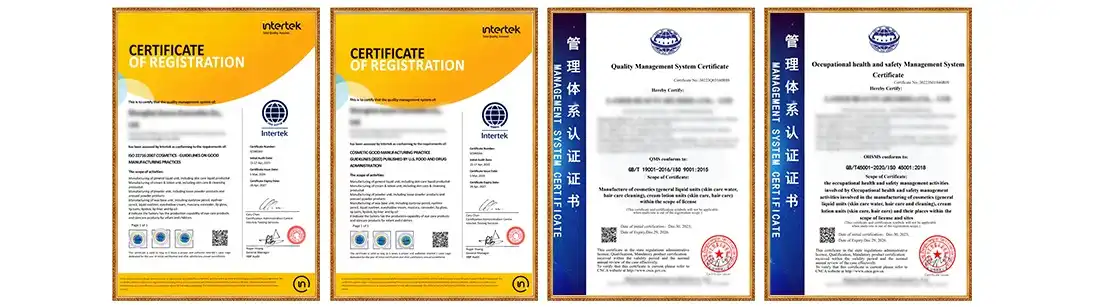
On the other hand, the FDA's Over-the-Counter Drug Monograph controls sunscreens in the US that have an SPF 15. There are rules about what they can put on the label and what ingredients they can use. Outdoor beauty brands and clean beauty brands need to make sure that their products are reef-safe and don't have Oxybenzone or Octinoxate in them more and more. As a first step toward GMP-compliant processing, check to see if your provider is certified by both GMPC and ISO 22716.
Comparing Sensitive Pocket Sun Sticks: What Makes the Best Product?
Mineral sun sticks come in a lot of different brands, and their quality ranges greatly. These are the main things that separate strong products from weak ones:
- Photostability under heat: The sensitive pocket sun stick SPF50+ PA++++ must maintain structural integrity at 45–50°C. Thermal stability testing prevents the "sweat-out" problem common in tropical shipping routes. Poor thermal stability leads to deformed sticks that customers return.
- No white cast on application: Physical blockers like Zinc Oxide historically leave a visible residue. Micronized particle technology reduces this significantly. Always request a physical sample and test it across skin tones before placing a bulk order.
- Matte, makeup-compatible finish: The formula should absorb quickly and sit under foundation without pilling. Porous silica additives manage sebum and maintain a soft-focus finish throughout the day.
- Water resistance validation: For outdoor and sports-adjacent brands, ISO 18861 water resistance certification — either 40-minute or 80-minute — is a key purchase driver among end consumers.
Procurement and Transaction Considerations for B2B Clients
Once you've identified a formulation that meets your technical requirements, the operational side of procurement determines whether the partnership actually works.
Sourcing Channels and Supplier Verification
Trade shows like Indie Beauty Expo and Outdoor Retailer connect buyers with vetted manufacturers. Direct factory engagement — rather than trading company intermediaries — gives buyers cleaner access to documentation, including ISO 24444 in-vivo SPF test reports, HRIPT results, and raw material traceability. Always request the actual test certificates, not summaries.
MOQ, Lead Times, and Scalability
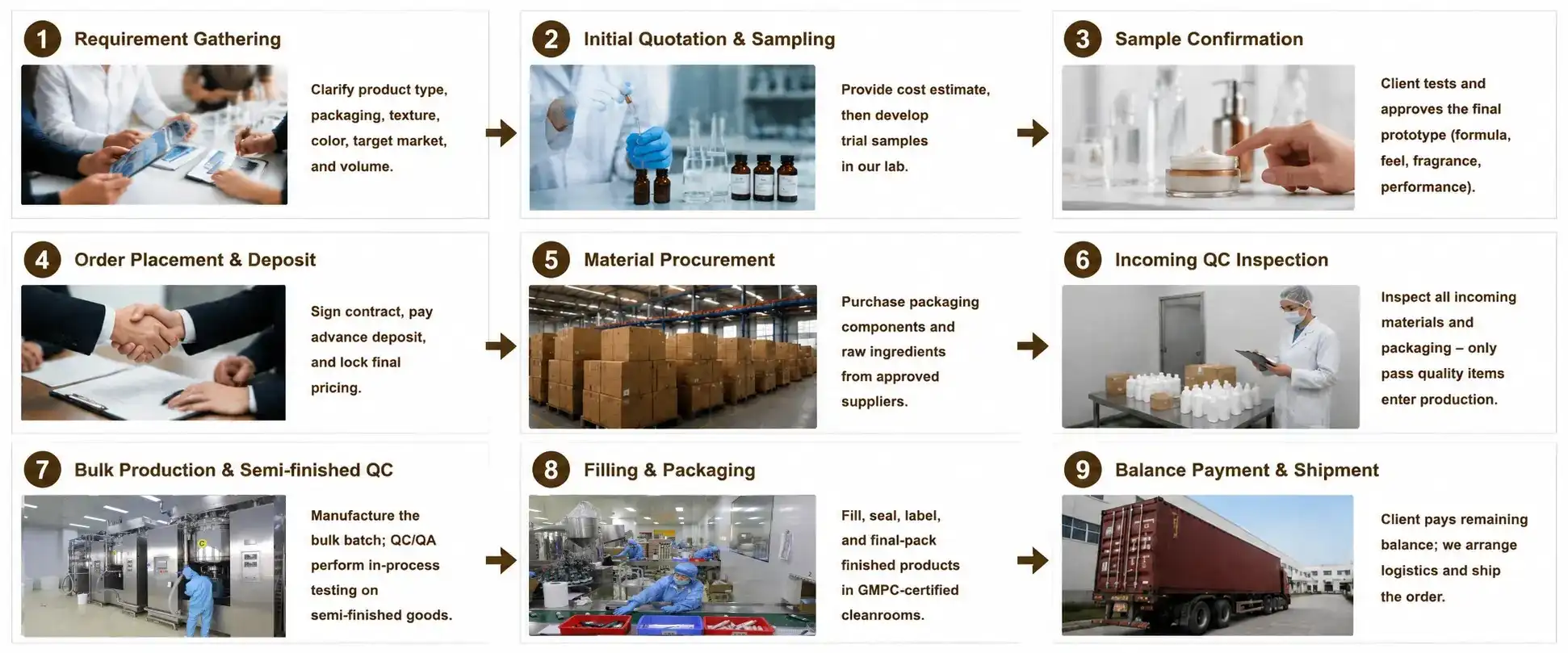
A reliable OEM manufacturer should accommodate initial trial runs at lower volumes and scale up without compromising quality. VS LIGE offers an MOQ of 12,000 pieces with a production turnaround of 15–30 days and a daily capacity exceeding 100,000 skincare units. That combination supports both market-testing phases and full seasonal launches.
OEM/ODM Customization for Brand Differentiation
Custom formulation capability lets brands adjust fragrance, active ingredient ratios, and skin-feel characteristics to match their positioning. Full packaging customization — including logo, color system, and material selection — allows each brand to own its shelf presence. VS LIGE's 15+ years of OEM/ODM experience spans clean beauty, outdoor, and medical aesthetics categories across North America, Europe, and Southeast Asia.
Best Practices for Using a Sensitive Skin Sun Stick SPF50+ PA++++
Customers will be less likely to complain and more likely to buy from you again if you show them how to use your products correctly.
Application Technique for Facial and Body Use
Twist the base slowly to make a small part of the product longer. Being careful not to stretch it too far will prevent it from breaking. One swipe will cover your arms, face, neck, ears, and neck. The curve is bent in a way that makes it comfortable to wear on the face. Next, use your fingertips to lightly pat it in so that it spreads out evenly. Do not rub it in.
Reapplication Intervals for Real-World Conditions
It's possible for UV protection to wear off over time, through sweating or getting wet. This should be done again every one to two hours if you're swimming, doing activities outside, or in a place with a lot of humidity. For use in a city office, the covering stays good if you reapply it every two to three hours. This is helpful since it's a stick and doesn't need a mirror.
Integration with Skincare and Makeup Routines
The sun stick should be the last thing you do to your skin before putting on makeup. Tan-colored moisturizer or foundation won't show through because of the silky, smooth finish. Violet Extract and Kelp Extract are two ingredients that help protect against UV rays and fight free radicals. This makes the product very useful for many everyday tasks.

Conclusion
To pick the best sunscreen for sensitive skin, you should think about how safe the recipe is, how well it follows the rules, how much SPF and PA it has, and how reliable the seller is. One mineral sunscreen that has been tried and tested a lot is the VS LIGE sensitive pocket sun stick SPF50+ PA++++. It can be used by OEMs as long as all the necessary steps are taken in line with B2B buying standards. This means picking the right ingredients and making sure the factory is approved. It is important to work with the right formulation partner if you want to make a product that passes compliance review and keeps customers coming back. This is true whether you're starting a clean beauty line or a line of skin care products for the outdoors.
FAQ
1. Does the sun stick leave a white cast on darker skin tones?
The formula uses micronized mineral filters to reduce the white residue associated with physical sunscreens. The lightweight base absorbs into skin quickly. We recommend requesting a physical sample to test across different skin tones before placing a bulk order.
2. What does PA++++ mean compared to PA++ or PA+++?
PA++++ indicates a PPD value of 16 or higher, representing the strongest UVA protection tier. PA++ covers a PPD of 4–7, and PA+++ covers 8–15. For markets where photoaging prevention is a primary purchase driver, PA++++ is the most defensible claim.
3. Is this product suitable for children?
Yes. The mineral-based, alcohol-free, and fragrance-customizable formulation is generally well tolerated by children's thinner skin. Buyers sourcing for family or pediatric-adjacent markets should request the HRIPT documentation to confirm hypoallergenic validation.
4. Can the formula be customized for reef-safe certification?
The base formula excludes Oxybenzone and Octinoxate. Brands pursuing third-party reef-safe certification should discuss their specific certification body's requirements with VS LIGE during the OEM consultation stage.
Partner with VS LIGE for Your Next Sun Care Launch
For more than 15 years, VS LIGE has been providing OEM-ready sunscreen formulas for sensitive skin to outdoor and clean beauty brands. Our sensitive pocket sun stick SPF50+ PA++++ is made in GMP-MPC and ISO 22716-approved factories. You have to wait 15 to 30 days for it to be made, and you can choose how it is packed in any way you want. We can help with sample requests, regulatory paperwork, and custom formulation briefs because we are a trustworthy, sensitive-skin pocket sun stick SPF50+ PA++++ maker. Send an email to annyl@vslige.com today to get a sample.
References
1. Food and Drug Administration. Sunscreen Drug Products for Over-the-Counter Human Use: Final Monograph. FDA, 2021.
2. International Organization for Standardization. ISO 24444: Cosmetics — Sun Protection Test Methods — In Vivo Determination of the Sun Protection Factor. ISO, 2019.
3. International Organization for Standardization. ISO 22716: Cosmetics — Good Manufacturing Practices. ISO, 2007.
4. The Skin Cancer Foundation. Sun Protection: Understanding SPF and Broad-Spectrum Coverage. Skin Cancer Foundation, 2022.
5. Wang, S. Q., et al. "Photoprotection: A Review of the Current and Future Technologies." Dermatologic Therapy, 2010.
6. Burnett, M. E., & Wang, S. Q. "Current Sunscreen Controversies: A Critical Review." Photodermatology, Photoimmunology & Photomedicine, 2011.
Online Message
YOU MAY LIKE
High quality furniture manufacturer

RELATED BLOGS
- Why Choose a Moisturizing Repair Lip Balm for Everyday Lip Care?
- Is a Dual-End Brush Foundation Stick Good for Everyday Makeup?
- What Is Himalaya Green Tea Clay Purifying Mask Used For?
- What Ingredients Should You Look for in an SPF 30 Mineral Moisture Lip Balm?
- How Is Highlight Glitter Lip Gloss Different from Regular Lip Gloss?
- Can a 4-Prong Microblade Eyebrow Pen Create Hair-Like Brow Strokes?
- Dual-Core Nourishing Lipstick vs. Traditional Lipstick: Key Differences Explained
- How Does an Ultra-thin Tip Waterproof Liquid Eyeliner Pen Stay Waterproof?
- 2-in-1 Brow Powder Pencil: Features, Benefits, and Uses
- How Does Crystal Thermo-Changing Jelly Lip Balm Change Color?