
Nov 4, 2026
SPF 30 Mineral Moisture Lip Balm vs. Regular Lip Balm: What’s the Difference?
The main difference between a standard lip balm and an SPF 30 mineral moisture lip balm is their purpose. A classic lip balm will soothe and hydrate dry lips using emollients like beeswax and plant oils. A mineral SPF lip balm provides all that, plus adds a physical UV barrier from zinc oxide, which blocks off around 97 percent of UVB radiation. This difference is important for B2B buyers sourcing lip care for outdoor brands, resort retail, or clean beauty lines, because it informs not just product positioning, but also regulatory duties.
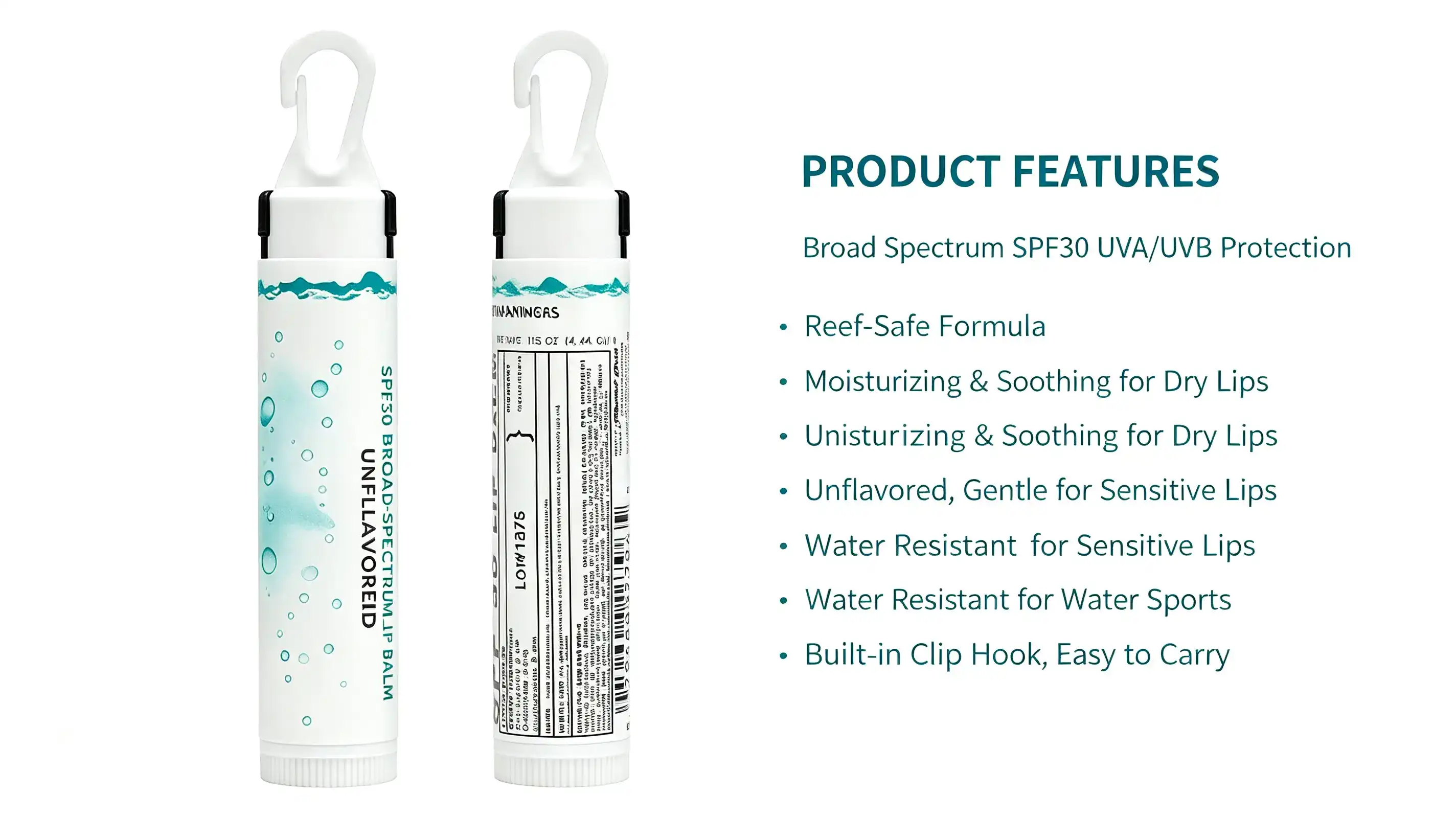
Understanding SPF 30 Mineral Moisture Lip Balm
There are many types of lip balms, and they don’t all function the same. Chemical sunscreen lip balms and mineral-based solutions act differently and are not suitable for all skin types. It’s crucial to recognize the distinctions when you select lip cosmetics.
How Mineral UV Filters Work
Zinc oxide is spread over the lip, and it physically reflects UV rays so they don't get absorbed. Meaning, you don’t have to wait for the protection to begin. The balm begins protecting the moment you put it on. That speed will be helpful for those who want to be outdoors or fly at high altitudes.
Key Botanical Ingredients and Their Roles
VS LIGE’s 4.8g blend includes panthenol, which helps with tissue repair, sunflower seed oil for mild hydration, beeswax for barrier protection, and vitamin E for protection against environmental oxidative stress. They function well in their own right, but they work fine together too.
Why Sensitive Skin and Clean Beauty Markets Prefer It
Oxybenzone and other UV-blocking compounds may heighten the sensitivity of mucosal tissue to touch. Zinc oxide is harmless in most cases, particularly in forms where the particles are not nano-scale. This applies to skin care and the globe. Reef-safe certified items are manufactured with minerals, making them the greatest option for persons with sensitive skin.
Comparative Analysis: SPF 30 Mineral Lip Balm vs. Regular Lip Balm
Many individuals aren’t aware that mineral SPF lip balm is not the same as conventional soothing balm. As a guide, these are the five most crucial things to consider while purchasing anything.
Here is a list of the key ways performance is different:
- Sun protection: Regular lip balm gives no UV protection. The skin of the lips has very little melanin and no sebaceous glands and is thus very sensitive to actinic damage. An SPF 30 mineral compound filters roughly 97% of UVB rays and, when manufactured with a critical wavelength over 370nm, is considered broad-spectrum UVA/UVB protection.
- Safety of ingredients and danger of allergens. Mineral formulae do not include synthetic fragrances or chemical filter compounds, which are known sensitizers on mucosal surfaces. This helps to lower adverse response rates — a big issue for businesses targeting those with sensitive skin.
- Functional positioning: SPF 30 mineral moisture lip balms sit with generic personal care. Mineral SPF lip balms are classified as functional cosmetics or OTC drugs (in the US market), which are sold at higher retail prices and allow for more compelling brand messaging around performance and safety.
- Wear durability: A mineral formula’s occlusive matrix—beeswax and plant oils—creates a longer-lasting film than many ordinary balms, so you’ll need to reapply less often outdoors.
- Regulatory Status: In the US, any lip balm making an SPF claim is regulated as an OTC medicine under 21 CFR Part 352. Lip balms that do not make any SPF claims are ordinary cosmetics. This difference has an immediate effect on the way B2B purchasers need to register, label, and provide compliance papers before going to market.
Mineral SPF lip balms are a distinct kind of product, and these peculiarities make them worth more. It’s not merely a superior version of a typical balm.
How to Choose the Right Lip Balm for Your Business Needs
To pick the best recipe for your product line, you need to make sure that the profiles of the ingredients are compatible with the wants of end users, the ways that the product will be sold, and the rules that govern it.
Outdoor and Sports Channels
For ski, camp, or ride brands, the recipe needs to be able to handle wind, sweat, and changes in temperature. The balm is made of zinc oxide and beeswax, and it stays in place even when it freezes and thaws. It also doesn't come off when you sweat. This is not possible with a simple moisturizing balm.
Resort and Travel Retail
When people buy vacation amenities at duty-free or in their rooms, they want small amounts, natural scents, and ingredient lists that are easy to read. The small size (4.8g) makes it easy to pack in carry-on luggage, and the smell of the natural plants goes well with the wellness-themed decor that is common in high-end hotels.
OEM/ODM Customization Requirements
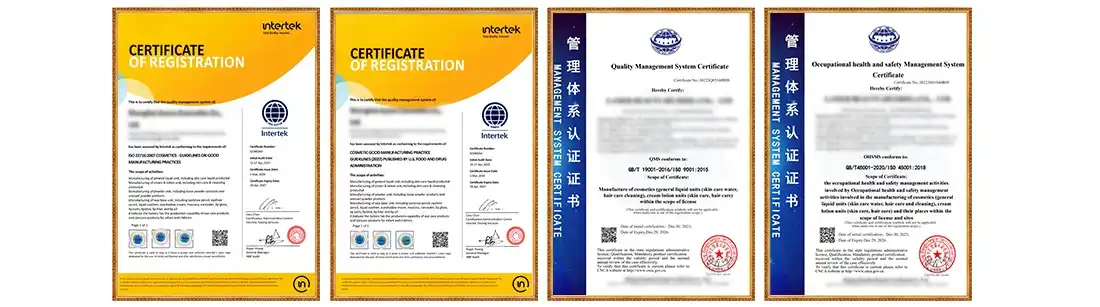
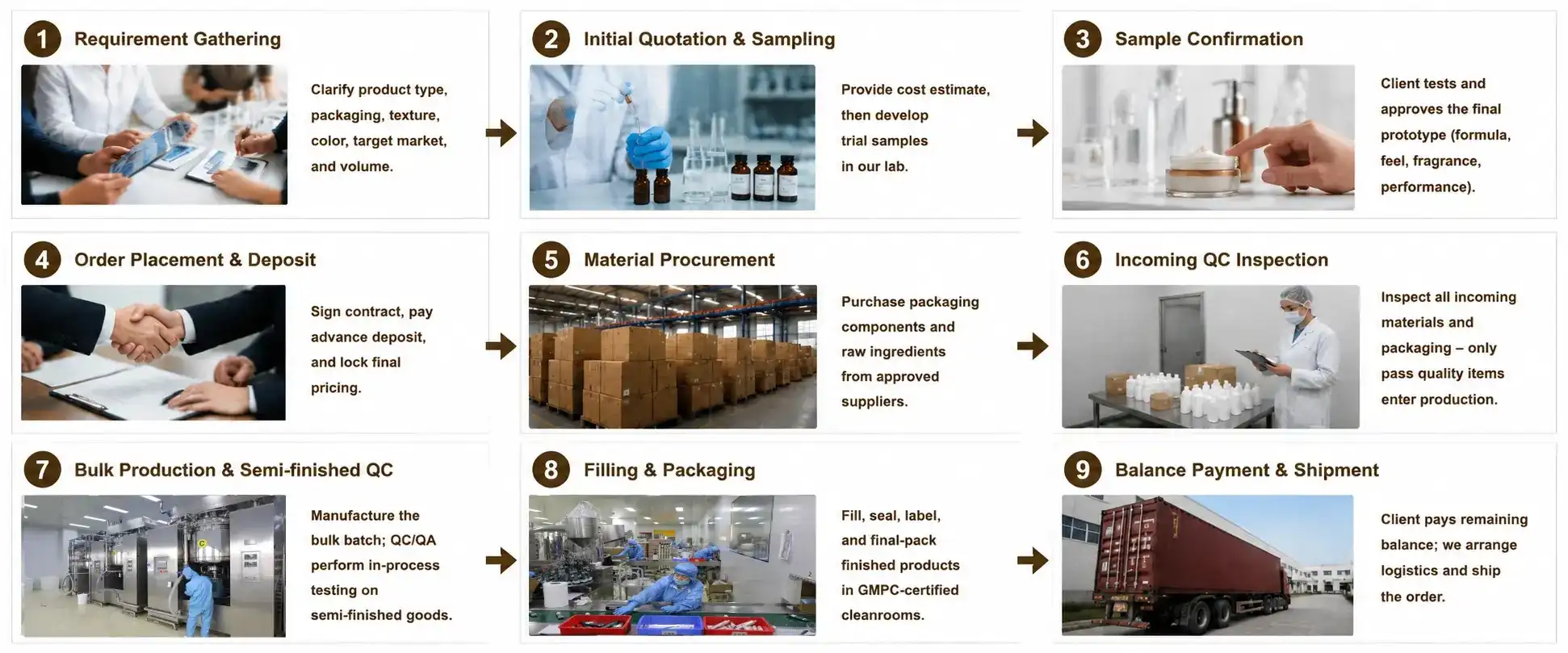
Adding a lip sun care SKU to a line of goods that are already on the market doesn't depend on the recipe itself. What matters is that the ingredients are clear and there is proof that the product was made. The audit records that brand compliance teams need can be found at production sites that are GMP- and ISO 22716-certified. There is a separate R&D lab at VS LIGE that can change recipes based on the tastes of local ingredients, make packaging unique, and work on private label products with a 12k minimum order quantity (MOQ).
Market Trends and Procurement Insights
The global lip care market is growing, and the mineral sun protection segment is growing faster. According to Grand View Research (2023), the global lip care market was valued at USD 1.9 billion in 2022, with functional and SPF-integrated products listed among the fastest-expanding subcategories.
Clean Beauty as a Procurement Driver
Brand buyers increasingly cite clean beauty positioning — mineral actives, no synthetic fragrance, no chemical UV filters — as a non-negotiable procurement criterion. This shift is visible across outdoor retail, medical aesthetics, and eco-tourism supply chains.
Reef-Safe Compliance and Regional Regulations
In markets like Hawaii and Palau, where oxybenzone and octinoxate are restricted by law, non-nano zinc oxide SPF 30 mineral moisture lip balms are the only compliant choice for hospitality and marine tourism operators. Sourcing a reef-safe formulation is no longer a niche preference — it is a legal requirement in these jurisdictions.
Sourcing Strategy for Seasonal Procurement
Outdoor brands typically lock in seasonal inventory 12–16 weeks before peak periods. Partnering with a manufacturer that holds ISO 22716 and GMPC certification — and can ship within a 15–30 day production window — reduces supply risk significantly. Requesting samples ahead of the procurement cycle, along with SPF test documentation, allows compliance review to run parallel to production planning.
Best Practices for Using and Promoting SPF 30 Mineral Moisture Lip Balm
Reapplying lip sunscreen often is the part that people forget to do. Dermatological groups say that sunscreen should be put on again every two hours when it's dry, and every 40 to 80 minutes when it's wet, or you're sweating a lot.
Application Guidance for End Users
Put on a clear, even coat on both lips before going outside. Don't fill out the form more than once and think the session is over. End users are more likely to use and buy more products if they are taught how often to reapply them, especially through brand packaging inserts or QR-linked guides.
B2B Content and Branding Integration
OEMs and dealers are interested in the ingredient because of the story behind it. It helps both workers in shops and people who sell things online by giving facts like zinc oxide is a physical reflector, shea butter is a plant moisturizer, and panthenol is a healing agent. Consumers today who know a lot about products are more interested in clear language that lists ingredients than in vague claims.
Supporting Documentation for Channel Partners
Distributors are given SPF testing summaries, safety data sheets, and GMPC/ISO 22716 certificates by procurement and compliance teams. This gives them the confidence to move forward right away. It is clear that a manufacturing partner is not the same as a general source at this point.

Conclusion
An SPF 30 mineral moisture lip balm appears like any other lip balm on the exterior. The distinctions are in how they function, the law and business. Specialty balms can achieve things conventional balms can’t, such as mineral zinc oxide protection, herbal moisturizing, and an emphasis on clean labeling. Adding a mineral SPF lip balm to a range of skin care products for holidays, the outdoors, or regular use is a sensible and low-risk approach for B2B buyers to develop their company. They will likely shop again with their clientele.
FAQ
1. How often should reapplication occur during outdoor activities?
Reapply SPF 30 mineral moisture lip balm at least every two hours while outside. Eat, drink, swim or sweat, use it again more often as the product tells you to. If the product is water resistant, respect the water resistance time indicated on the product and reapply as instructed.
2. What is the difference between mineral and chemical SPF lip balms?
When the weather is normal, put it on again every two hours. Put it on again every 40 to 80 minutes in places where you will sweat a lot or come into contact with water, depending on how water-resistant the product is.
3. What certifications should a B2B buyer require from a manufacturer?
Mineral balms work right away because they have zinc oxide or titanium dioxide in them, which physically block UV rays. It's possible that the mucosal surface could become more sensitive when chemical SPF products are exposed to UV light. Most of the time, mineral formulas are thought to be safer for lip balms and other products that come in contact with the mouth.
Partner with VS LIGE for Your Next Mineral Lip Balm Line
VS LIGE's SPF 30 mineral moisture lip balm is a tried-and-true sun care product that outdoor brands, resort stores, and OEM partners can add to their lines. At every stage, brands can count on us to supply them with SPF 30 mineral moisture lip balm. Our production cycle lasts 15 to 30 days, and we have a MOQ of 12,000 pieces. We have been doing OEM and ODM work for more than 15 years and are certified by GMPC and ISO 2271. Email annyl@vslige.com right away to get your sample.
References
1. Grand View Research. Lip Care Products Market Size, Share & Trends Analysis Report. Grand View Research, 2023.
2. Rai, R., & Srinivas, C. R. "Photoprotection." Indian Journal of Dermatology, Venereology and Leprology, 2007.
3. Matta, M. K., et al. "Effect of Sunscreen Application on Plasma Concentration of Sunscreen Active Ingredients." JAMA, 2019.
4. U.S. Food and Drug Administration. Sunscreen Drug Products for Over-the-Counter Human Use: Final Monograph (21 CFR Part 352). FDA, 1999.
5. Burnett, M. E., & Wang, S. Q. "Current Sunscreen Controversies: A Critical Review." Photodermatology, Photoimmunology & Photomedicine, 2011.
6. International Organization for Standardization. ISO 24444: Cosmetics — Sun Protection Test Methods — In Vivo Determination of the Sun Protection Factor (SPF). ISO, 2019.
Online Message
YOU MAY LIKE
High quality furniture manufacturer

RELATED BLOGS
- Everything You Need To Know About Glitter Lip Gloss
- Why Is Neon Shimmer Mermaid Lipstick Trending in Modern Makeup?
- Sun Stick vs. Sunscreen Lotion: Which Is More Convenient for Daily Use?
- How to Choose the Right Shade of a Dual-End Foundation Stick
- What Ingredients Should You Look for in an SPF 30 Mineral Moisture Lip Balm?
- How to Apply Air-Lock Longwear Glow Cushion Foundation Cream for a Natural Glow
- How to Choose the Right Moisturizing Repair Lip Balm for Dry Lips
- Why Choose a Long-Lasting Cushion Tip Lip Crayon for Everyday Makeup?
- What Is the Current Lipstick Trend? Is Neon Shimmer Mermaid Lipstick In?
- What Is Moisturizing Repair Lip Balm? Benefits, Ingredients, and Uses